
Remote Rivers, Trophy Tigerfish
Set deep in the remote wilderness of southwestern Tanzania, the Mnyera and Ruhudji Rivers offer one of the most unique and rewarding freshwater fly fishing experiences in Africa. Dhala Camp (on the Mnyera) and Samaki Camp (on the Ruhudji) are seasonal tented camps that provide comfortable, no-frills accommodations in the heart of this unspoiled landscape.
These rivers have built a strong reputation over the past decade for producing some of the largest Tigerfish on the continent. Regular encounters with fish in the 10–25 lb range make this a true destination for serious anglers.
Accessed by a select group of experienced guides with over ten years of exploration in the region, this fishery combines wilderness, adventure, and world-class tigerfishing in a way few places can. For those looking to check off a top-tier destination from their angling list, Tanzania offers a rare and exceptional opportunity.
Wildlife & Birding
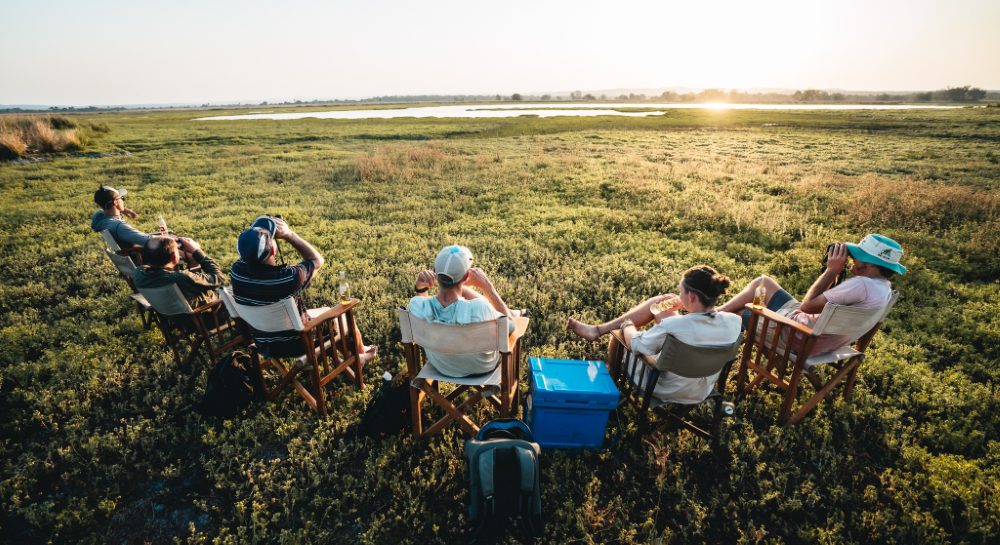
Regular sightings include elephant, buffalo, lion, leopard, and various plains game like zebra, eland, bushbuck, and more.
Birdlife is outstanding. Species such as Pel’s fishing owl, African Finfoot, Palm-nut vulture, and White-backed night heron are frequently spotted.
Birders: bring your binoculars and field guides.



Fishing here is mostly done drifting over key river structures like fallen timber, sandbanks, steep drop-offs, and rocky outcrops. When needed, we anchor or tie up midstream to target prime spots. All angling takes place from specially selected 18ft aluminum boats with 15–25 hp motors, each carrying two anglers, a professional guide, and a coxswain, fully equipped with safety gear and ample storage.
These rivers have seen minimal fishing pressure, creating a thriving ecosystem rich in baitfish like Red-finned Barbs. This has produced Tigerfish of extraordinary size trophies often exceeding 15 lbs that will change how you think about Tiger fishing.
Since their discovery in 2008, these waters have shaken up African sportfishing. Where a 20-pound tigerfish was once unheard of, anglers have landed eight in just eight days on one stretch of the Mnyera!
The prime season runs from August to mid-November, when rising water temperatures and crystal-clear conditions ignite aggressive feeding. Large black whistlers, clousers, and Puglisi-style baitfish patterns cast along the banks and into structure consistently entice these fierce predators.
Thanks to a strict rotation system and limited fishing pressure just seven beats spread over the best 16 weeks and a maximum of eight rods weekly. These rivers remain pristine and productive. Tigers range from small fighters to monsters over 20 pounds, with most catches between five and ten pounds and larger fish a regular thrill.
Fishery Regulations
All fishing is conducted on a strict catch-and-release basis, using only single, debarbed hooks. To protect the fishery and ensure its continued health, each beat is fished only once per week, and spawning areas are completely off-limits. Re-drifting of the same beat during a session is also not permitted. These guidelines are designed to maintain a well-rested and productive fishery. We appreciate your cooperation in following these rules and trust you’ll value the pristine conditions preserved by those who came before you.


Dhala Camp (Mnyera River)
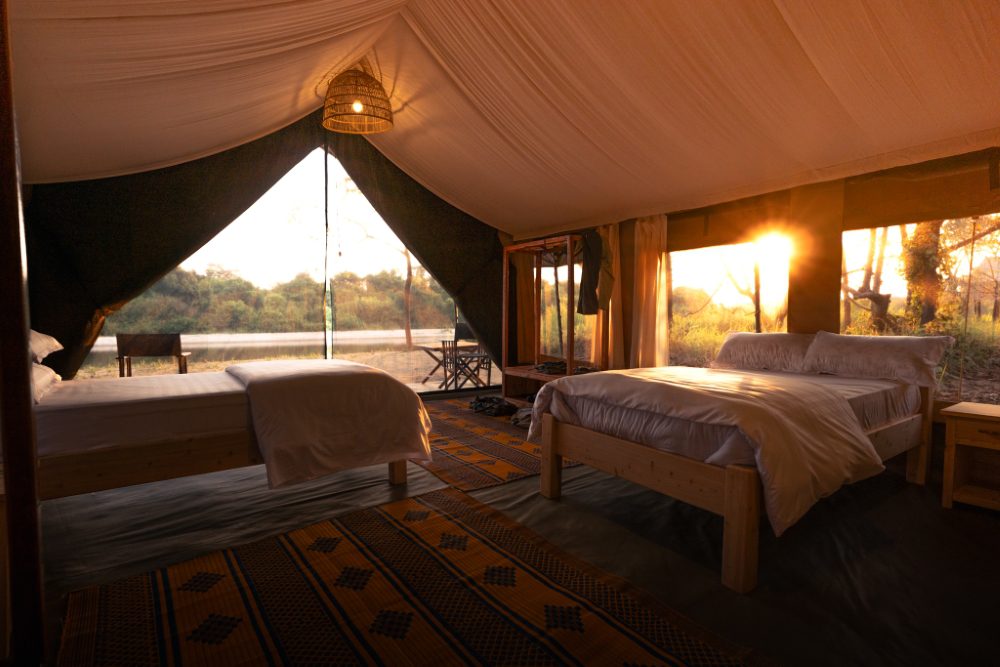
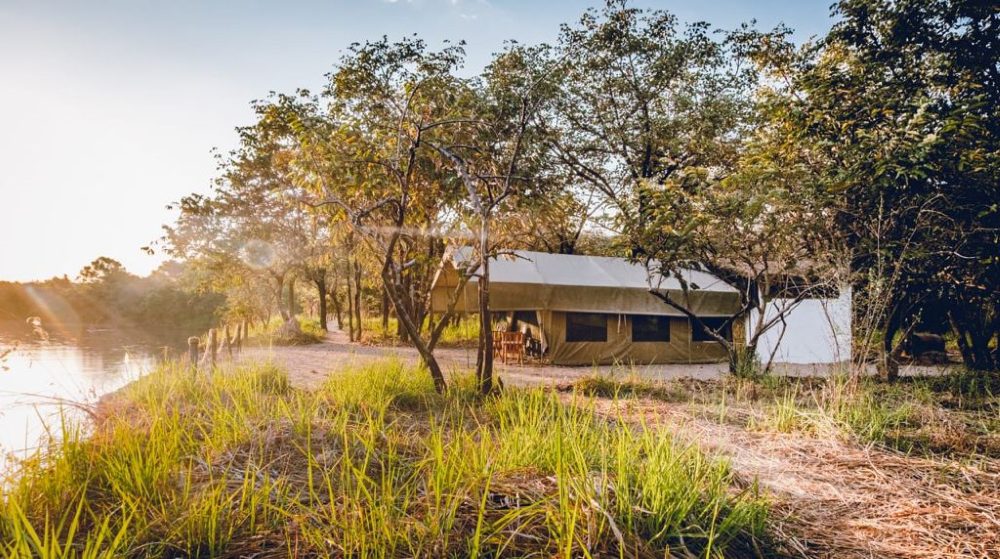
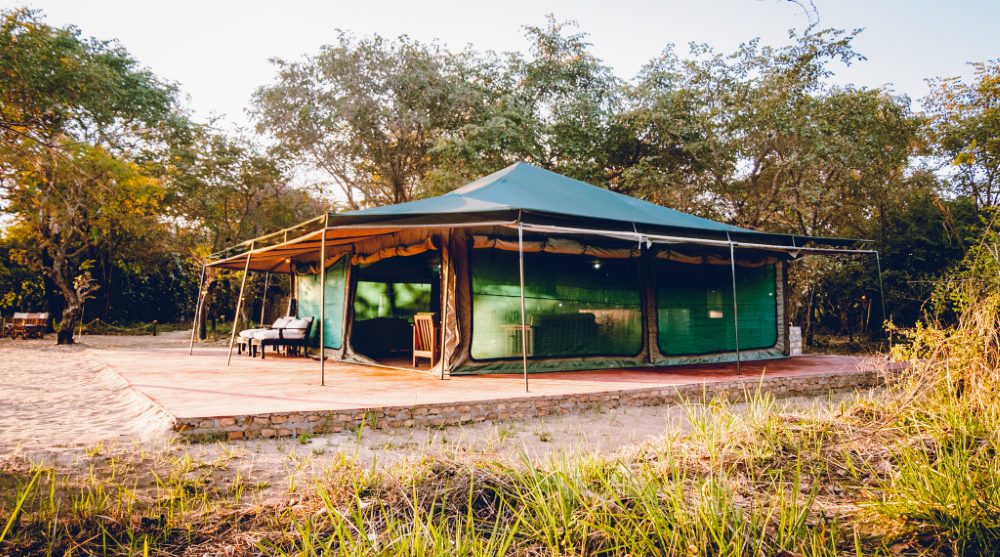
Dhala Camp features four wooden cabins with twin or double beds, each en suite and overlooking the river. Guests fall asleep to the sounds of wildlife and wake to Tigerfish splashing nearby. Meals are served in the central thatched dining and lounge area, which includes a small library, charging stations, and a fly-tying station. Starlink WiFi is available in an allocated area away from the lounge area.
Samaki Camp (Ruhudji River)
Samaki Camp is a smaller, rustic bush camp on the Ruhudji River, offering en suite safari tents with twin or double beds. Meals are mostly enjoyed outdoors under the stars on a sandy riverbank. The camp operates without electricity, enhancing its authentic wilderness feel.
Meals
All meals are prepared by the camp chef using fresh supplies flown in weekly.
Guests enjoy fresh game meat from the nearby hunting camp.
Breakfast is light and early; snacks and lunch are enjoyed riverside; dinners are served in the mess tent or under the stars.
Expect wholesome, hearty bush cuisine.




Fishing Package (per person, sharing):
Return Charter Flight (per person, sharing):
Total Cost (per person, sharing):
Observer Rates:
Observer activities include pre-arranged game drives and river excursions.
What’s Included
What’s Not Included
How to Get There
Dar Es Salaam International Airport (DAR) is Tanzania’s main gateway, Many guests spend a night in Dar Es Salaam before taking a private charter to camp. At BRUSHFLY OUTFITTERS we’re happy to assist with travel planning.
Arrival & Departure
Most flights arrive late evening or at night, and itineraries are flexible to accommodate various schedules.
Entry Requirements
A passport valid for at least six months beyond your trip is required. Visas are easily obtained on arrival at DAR. A valid yellow fever vaccination is required for re-entry to most countries. Due to the remote location, medical evacuation and trip insurance are mandatory.
Currency
Tanzanian Shilling is the local currency, but US dollars are widely accepted.
Exchange currency at the airport or hotel prior to arrival.
Cash only in camp — bring enough for tackle, drinks, and tips.
Trip Itinerary
Day 1: Morning charter from Dar Es Salaam to camp. Welcome and briefing. Four anglers stay at Dhala Camp; four move to Samaki Camp. No fishing this day to allow for admin, tackle setup, and orientation.
Days 2–4: Fishing on Mnyera and Ruhudji Rivers. On Day 4 afternoon, Samaki guests return to Dhala Camp.
Day 5: Dhala guests move to Samaki Camp in the morning.
Days 5–7: Fishing continues on both rivers. On Day 7 evening, Samaki guests return to Dhala Camp.
Day 8: Morning admin and charter back to Dar Es Salaam.
Travel between camps takes about 2 hours on scenic bush roads. We encourage guests to enjoy this journey and the wildlife views rather than focus on the missed fishing time.
Founded by Cameron Musgrave, Brushfly Outfitters is the result of over 18 years of global fly fishing expertise — both on and off the water. Born and raised on South Africa’s Eastern shores, Cameron’s deep-rooted passion for fishing led him from the local coastline to the world’s most renowned fly fishing destinations, including guiding and managing elite island operations in the Seychelles. That same lifelong dedication now powers Brushfly Outfitters: a service-first, travel-savvy outfitter focused on delivering exceptional fishing experiences around the world.


